Choose a guided Douro wine day for the quality of the hosted estate sessions: which wines are explained, what the visit covers and how much time is protected for questions. This guide concentrates on transported, wine-led days rather than individual estate appointments or generic Porto sightseeing bundles. A boat and an extra viewpoint are optional trade-offs, not measures of wine depth. If you already stay near an estate and only need a visit reservation, the independent winery guide is the appropriate next step.
On this page · 10 sections
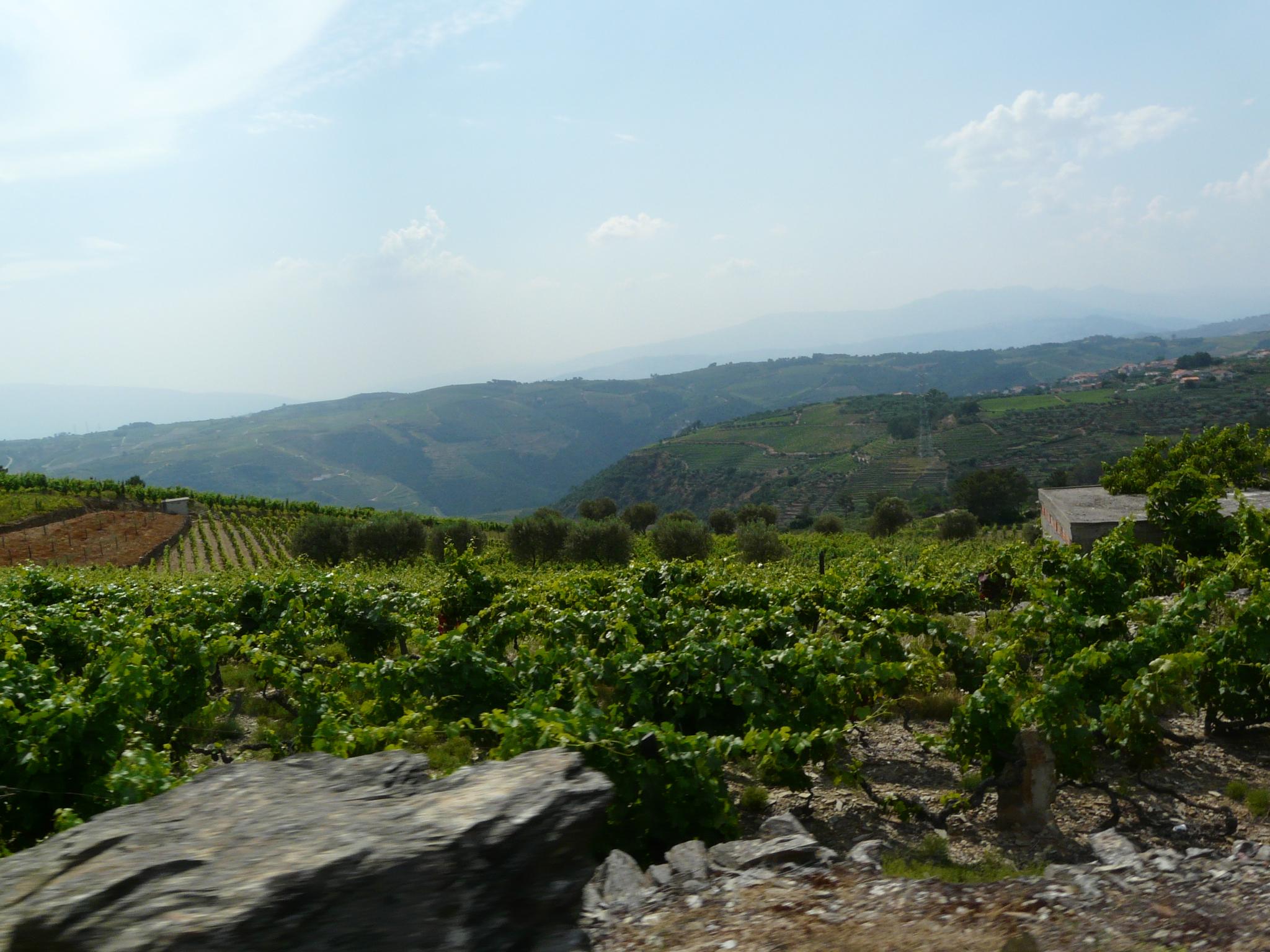
A guided wine day with estate time protected
Look for a hosted visit that explains the wine, not simply the largest number of samples.
Illustrative offers · not available to book. Prices, durations and inclusions below are fictional assumptions. GetYourGuide onboarding is pending; there are no active affiliate offers or availability claims. Named estates in the editorial guide are research references, not inclusions in these examples. How referrals will work →
- 01
Separate a guided estate visit from an onboard pour or a tasting in a shop.
- 02
Confirm which wines and visit level are included; Port and Douro DOC are different learning opportunities.
- 03
If you stay near Pinhão, a single estate appointment can be more satisfying than a road-based overview.
A day for the wine curious
A slower tasting-led structure, with space to ask questions and explore wine styles.
€145 / person · illustrative
The compromise: Prioritises the cellar over time on the water.
Inspect this example| Format | Start | Total time | Group limit | Estate visits | Meal / boat | Price basis |
|---|---|---|---|---|---|---|
| A day for the wine curious | Porto; pickup unspecified | 10h | 6 people | 2 | Lunch / no boat | €145 / person |
What these examples cannot tell you about a real booking
No operator, meeting point, departure date, cancellation policy, child fare, visit language or accessibility arrangement has been verified for these fictional formats. No ratings are assigned. A real listing must resolve those fields before it can replace an example.
Start with the wines, not the stop count
Port and Douro still wines belong to the same broader regional story but are different categories. Port is fortified during production, while a Douro white or red still wine is not simply an alternative label for Port. IVDP is the primary source for Port production and the Douro wine range. That distinction should guide your reservation before the number of glasses does.
A beginner benefits from contrasts explained clearly. An enthusiast may prefer a focused subject, a vineyard discussion or a specific programme rather than a broader scenic itinerary. Neither needs to maximise the winery count. Two venues that give the same introduction can be less useful than one visit with time for questions and a meal that places the wines in context.
Translate the programme into an experience
| Published format | What deserves your attention | Best starting fit |
|---|---|---|
| Hosted winery/cellar visit | How the producer connects process, place and wine | First-time visitor wanting more than a tasting room |
| Port-focused tasting | Category and ageing contrasts | Visitor primarily interested in Port |
| Douro DOC tasting | Still-wine focus rather than a Port-only introduction | Wine traveller seeking the region beyond its familiar export |
| Vineyard-led visit | Terrain, cultivation and time outdoors | Landscape-and-wine visitor comfortable with the actual route |
| Visit with lunch | A longer, joined-up food-and-wine experience | Party valuing pace over several short stops |
These are formats, not universal packages. A winery visit may not include a vineyard walk, while a restaurant on an estate may take a separate booking. A private transfer does not turn the wine visit into a private appointment. Those distinctions explain why a higher-priced day is not automatically the deeper wine experience.
Compare the hosting, not four estate names
A guided wine day should explain how the host connects the sessions. Ask what the first appointment establishes and what the second adds: a contrasting wine category, a different production approach or time discussing the vineyard. Two introductory flights chosen only because they fit the vehicle route can repeat the same lesson. The useful comparison is the learning sequence and the time protected for it, not the fame of each label.
The independent estate guide owns the four-producer profiles and the reservation questions for Bomfim, Roêda, La Rosa and Seixo. Do not read those estates into an unnamed transported package. A real guided option must state its own venues or explain how substitutions are selected. Ask whether a change preserves the advertised visit level rather than merely another tasting stop.
For a wine-focused party, send the subject you want to explore before asking for a quote. Someone interested in Port ageing needs a different discussion from someone interested in Douro still wines. Someone curious about vineyard work needs to know whether the programme includes that setting and explanation, rather than seeing only the wine at the table. These are educational preferences, not grounds for us to assign an unsupported quality score.
Read a guided route as a wine programme
| Programme block | Wine-first question | What to trade away if it does not fit |
|---|---|---|
| First estate session | What will the host explain before the tasting? | A stop that only repeats basic samples |
| Second estate session | What subject or style adds contrast? | A second venue chosen only for the count |
| Lunch | Does the setting support a relaxed discussion? | A rushed meal squeezed between unrelated stops |
| Local boat | Does the party value the variety more than extra estate time? | The optional boat on a deeply wine-led day |
| Road transfers | Are the chosen sessions in one coherent corridor? | An extra distant appointment with weak added value |
The three subregions described by Portugal's wine authority are regional context, not three boxes a first-day tour needs to tick. A guide who can explain the differences while protecting one coherent route may offer a more intelligible day than a programme chasing distant names. Ask for the actual hosted sequence and the venue-change policy in writing.
Match the day to the people coming
For beginners: choose a hosted visit that explicitly explains the wines you will encounter. A combined Port-and-still-wine introduction can establish useful vocabulary. Leave a meal or riverside interval afterwards rather than immediately repeating the same lesson at another estate.
For enthusiasts: identify what the standard introduction does not answer. It may be a production subject, a focused wine category or time in the vineyard. A smaller group can help conversation, but only the actual programme and host arrangement can establish depth. A private road vehicle alone does not answer that question.
For a mixed-interest or non-drinking party: choose an estate visit with a landscape, production or food component that has value without the tasting. Keep wine to an agreed part of the day, rather than asking everyone to spend the whole trip watching someone else’s interest. Non-drinker planning gives three alternative day structures.
Use the meal to deepen rather than interrupt
A meal can be the centre of a wine day. It gives the party time to discuss the visit, compare the role of wine with food and enjoy the setting. If that is your priority, one good visit plus lunch may be more coherent than a two-estate schedule with a hurried food stop.
Read the basket carefully: lunch location, menu structure, included drinks and dietary arrangements are separate details. A picnic and a seated restaurant meal solve different practical problems. The food guide provides researched starting points without copying current menus into a supposedly permanent article.
Independent visit or joined-up tour?
Independent booking gives control over the appointment and what to omit. It also makes you responsible for the estate transfer and the return. A guided day can connect those parts, but it may place wine inside a broader itinerary of viewpoints, lunch and river time. Choose based on how much of the day you want devoted to the wine subject.
The Porto tour guide explains joined-up formats, while rail versus tour sets out the independent responsibilities. If driving is part of the plan, settle the driving arrangement before tasting; do not leave the return dependent on everybody drinking and then improvising.
Count sessions, estates and samples separately
A “six-wine day” could mean three samples at each of two estates; it does not establish six visits, six grape varieties or six substantial pours. Write down the number of independently hosted sessions, the wine styles in each, and whether the host explains production or simply serves the samples. Two estates provide useful contrast only when their programmes differ in a way that interests you.
Quinta do Seixo makes the distinction concrete: its published standard Sandeman visit and Douro DOC visit each take 50 minutes and each include three wines, but the first focuses on Port and the second on Douro DOC wines. Its vineyard visit is a different, longer format. Equal duration and equal sample count therefore do not mean interchangeable content. For your booking, request the named experience rather than “the three-wine tasting”.
Source: Quinta do Seixo visitor programmes.
A useful booking brief
Write the party size, date, language, wine interest, transport mode and visit type in one short brief. Add practical access needs, food requirements and non-tasting companions. The answer should identify the actual activity, venue, complete cost and cancellation terms, not simply repeat “wine tour”.
Save the source and date with the quote. There is no need to turn every uncertain detail into an obstacle, but a clear booking deserves a clear record. The fictional cards elsewhere on this site demonstrate comparison behaviour; they do not represent these estates, their prices or their availability. Use the cost calculator with real quoted inputs once the day’s shape is settled.
Reserve independently instead
If you do not need a Porto vehicle or a host coordinating the day, switch to independent winery appointments. For the meal itself, estate lunches compares restaurants, picnics and light pairings. Wine geography and wine styles are explained in the subregion guide and Port versus Douro DOC rather than repeated as a tour ranking here.
Know what’s in your glass.
Fortified during fermentation
Port is a fortified wine: grape spirit interrupts fermentation, preserving some grape sugars; sweetness varies by style. Ruby, tawny and white are useful starting categories, not a count of quality levels. A Port-focused visit and a still-wine tasting teach different things.
Wine classification: IVV · Douro e Porto · Read the full wine guide →
Sources for this guide
Linked at the relevant claims above, and collected here for further reading. Primary-source context accessed 9 November 2026. Indicative routes and comparison verdicts are our editorial analysis; fictional tool data remains separate.
- Port production ivdp.pt
- Douro wine range ivdp.pt
- Portugal's wine authority ivv.gov.pt
- Quinta do Seixo visitor programmes sandeman.com