Choose where to stay in the Douro by comparing four base strategies: Porto, Régua, Pinhão and a rural quinta. This guide owns the region-wide overnight decision and transport consequences, not a list of available hotels. If your choice has already narrowed to the two river towns, use Pinhão-versus-Régua for the detailed verdict. A rural property’s setting should be weighed against the actual cost and reliability of its transfers.
On this page · 7 sections
Compare the base, not just the bedroom
| Base style | Strongest reason to choose it | Main planning cost |
|---|---|---|
| Porto | Keep the wider trip in one city base | The valley remains a day-trip journey |
| Régua town area | Regional interpretation and a practical town anchor | Out-of-town visits still require transport |
| Pinhão town area | River, station and surrounding estate context | Hillside venues are not automatically pedestrian visits |
| Countryside quinta | Spend the evening and morning inside the landscape | Meals, arrivals and onward journeys can depend on transfers |
| A wider historic-town base | Add architecture and a different cultural focus | You may be choosing a road itinerary rather than a riverfront stay |
This table is editorial planning guidance. It does not establish that a particular property is central, step-free, quiet or connected to a public transport service.
Stay in Porto when one valley day is enough
Porto can be the sensible choice when the Douro is one part of a broader city trip. You avoid moving luggage and can choose a guided day that joins the main connections together. The trade-off is that the outward and return journeys occupy part of the day, limiting how many unhurried visits fit.
If your priority is wine knowledge rather than the inland landscape, a Gaia lodge can be part of the city itinerary. It is a different experience, not a direct replacement for a valley estate. Read wineries versus lodges before deciding whether an overnight inland is central to what you want.
Régua or Pinhão: give the anchor a purpose
Régua is a useful choice if the Douro Museum and a regional-history introduction belong near the centre of your visit. The museum’s official visitor information provides the cultural anchor; choosing accommodation for this plan means locating it relative to the museum and riverfront, not only to a highway exit. Pinhão is useful when the station, river and surrounding estates define the itinerary. Neither choice makes the rest of the region universally close.
For a car-free stay, test the evening as carefully as the daytime. Where will you eat? Can you reach the accommodation from the station with luggage? How will you return after an estate meal? A centrally described property may still involve a slope or an unsuitable approach for your party. The Régua guide and Pinhão guide help separate the day plans.
What a quinta stay adds—and what it does not
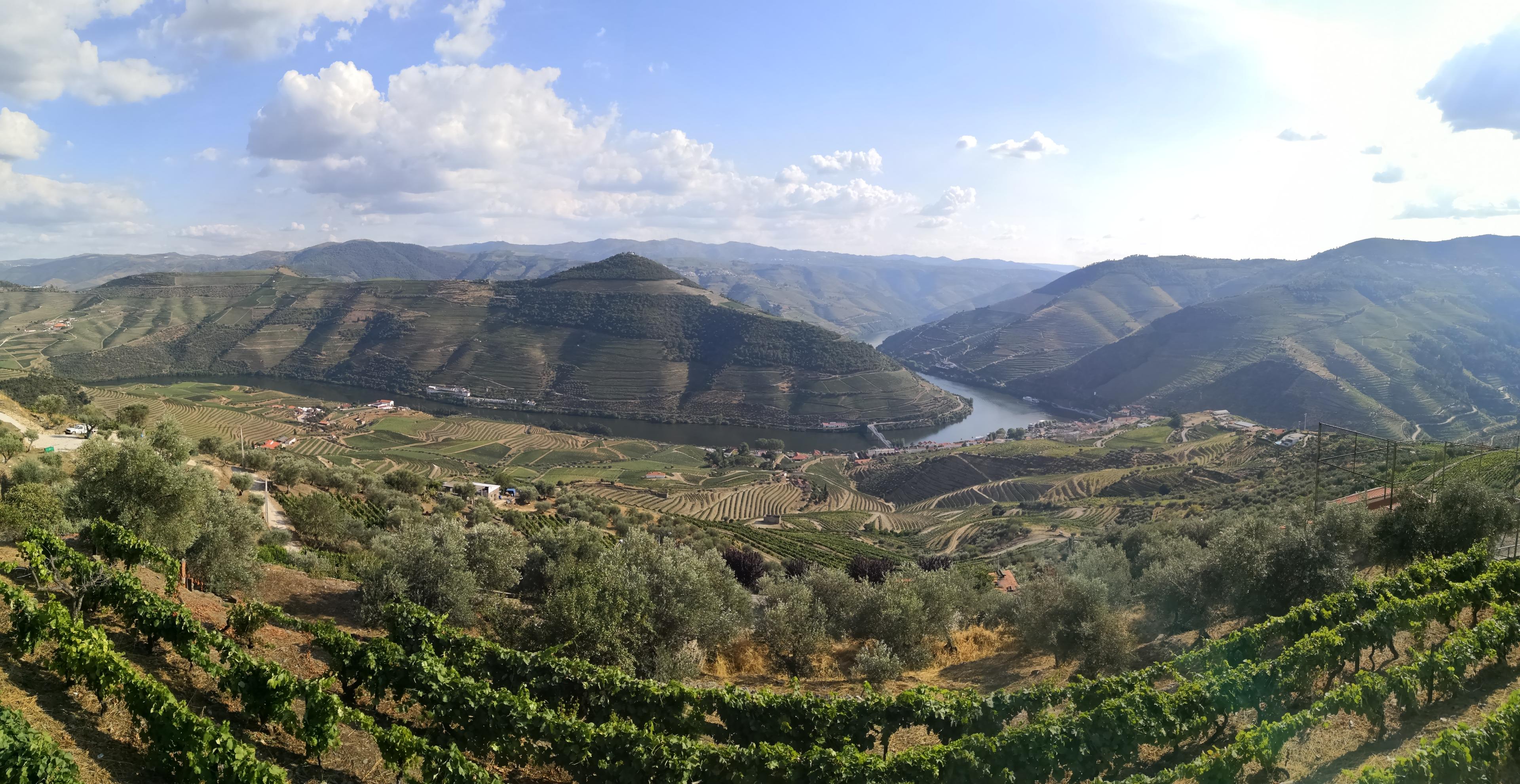
A countryside estate stay can change the rhythm of the trip: you are not immediately leaving the landscape after lunch. That can justify an overnight even if you do fewer activities. Some estates combine accommodation, food and visits; La Rosa’s official site is a researched example of that combination, not a recommendation of a currently available room. Quinta de la Rosa.
Do not assume that sleeping at a winery includes every tasting, a private host or unrestricted access to the vineyards. Accommodation, restaurant and wine-tour bookings can have different inclusions. For a remote stay, confirm the arrival transfer and the meal plan before paying for the room, particularly if you will not have a car.
One night or two?
One night is useful when it separates travel from a main visit and lets you enjoy a slower meal. It may still feel compressed if you arrive late and leave early. Think in usable blocks rather than the number of calendar dates: arrival afternoon, evening, next morning and the journey onwards.
Two nights can allow one day near the base and another for a different part of the region, without changing accommodation again. The extra night should buy a different rhythm or destination, not simply make space for more similar tastings. A two-day itinerary can help organise that choice.
A booking checklist that protects the stay
Write down the exact access route, luggage needs, parking or transfer, breakfast arrangement and where dinner happens. If a pool, accessible room or quiet setting is important, use the property’s own current description and confirm the feature for the specific room and dates. A general estate photograph does not establish it.
Compare the complete stay cost, including transfers and meals that become necessary because of the location. A lower room rate can create more transport work; an expensive estate may still be the wrong fit if you want to explore independently each evening. Choose the base that makes the day easier to enjoy. This site does not list live room rates or hotel affiliate links, and no recommendation depends on a commission.
Match the booking to your base
Staying in Porto supports a complete city departure; sleeping in Pinhão supports a local appointment. For a rural quinta, resolve pickup at the actual property before reserving a nominally local experience. The cost of that transfer belongs in the accommodation-and-activities budget.
Sources for this guide
Linked at the relevant claims above, and collected here for further reading. Primary-source context accessed 9 November 2026. Indicative routes and comparison verdicts are our editorial analysis; fictional tool data remains separate.
- museum’s official visitor information museudodouro.pt
- Quinta de la Rosa quintadelarosa.com