Choose things to do in the Douro by the experience you want: a wine estate, local river excursion, museum, viewpoint, village or longer journey. This page owns regional activity discovery and helps you choose a coherent cluster. The town guides explain individual places, the viewpoint guide details elevated stops, and the tours directory sorts commercial formats. You do not need to combine every activity category to make a worthwhile visit.
On this page · 7 sections
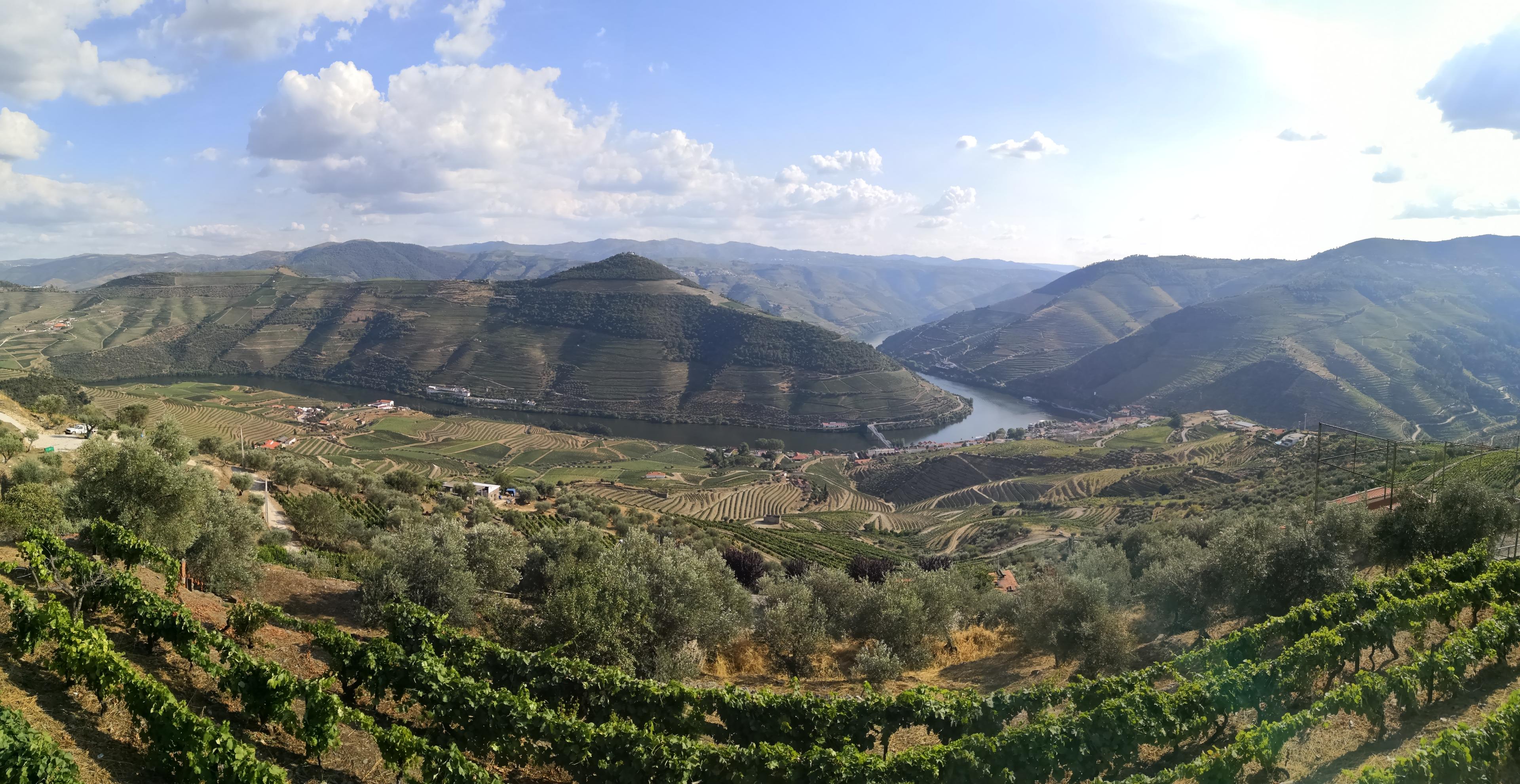
Choose the experience before the list
| Interest | Start with | A complementary experience |
|---|---|---|
| Wine and production | One confirmed estate visit | A meal with time to discuss what you tasted |
| River scenery | A Pinhão-led excursion | A higher viewpoint with arranged access |
| Regional history | Douro Museum in Régua | An estate visit that puts the wider story into practice |
| Food and villages | Favaios or a destination lunch | A single landscape stop on the same route |
| A relaxed first overview | One town and the riverside | One reserved activity, leaving the rest flexible |
The table is deliberately selective. If every activity matters equally, the itinerary will be shaped by transfers rather than by the experiences you most want.
Visit a working wine estate
An estate visit can connect the terraces with a producer’s actual wines. Choose the format: winery, cellar, vineyard walk, tasting or lunch. These do not always come together. Published visitor programmes at Quinta do Bomfim and Quinta de la Rosa illustrate the range without establishing a place on a particular date.
For a first visit, one estate that matches your curiosity can be enough. Add a second only if you can explain the difference it brings. Our winery-visits guide provides a researched shortlist and the practical questions that separate the experiences.
See the landscape from the water
A local boat excursion changes the perspective: you are looking up at the slopes rather than down from a road. Pinhão can serve as the anchor for that kind of day. A long river journey is a different commitment and should be chosen because you want the journey itself, not because all boat photographs look interchangeable.
Begin with embarkation, time on the water and the return. If rail is part of the day, protect those connections before adding another reservation. Read Pinhão boat tours and river cruise modes before choosing which structure suits you.
Learn the region’s story in Régua
The Douro Museum is useful because it interprets the region rather than a single wine brand. Its Casa da Companhia Velha setting also connects the visit with the wine trade. VisitPortugal: Douro Museum.
Use it as the main cultural block rather than a quick prelude to a crowded list of stops. A museum, riverside meal and one planned excursion can make a complete day. It is also an important option for travellers who do not drink and want the cultural landscape to have a story beyond wine tasting.
Give Pinhão and a viewpoint different roles
Pinhão’s station panels introduce the work of the region at the point of arrival. The river gives the town its visitor orientation. Casal de Loivos adds the higher perspective, but is a separate hillside outing, not part of a flat station-to-quay walk. The national regional guide identifies these elements.
One viewpoint is usually enough for a first day. Choose it to complement where you already are: Casal de Loivos for a Pinhão-led plan, or a different excursion for the Régua area. The viewpoint guide explains the route decision without inventing driving times.
Explore food and village culture
Favaios is a specific food-and-wine stop, with a museum interpreting bread and Moscatel traditions. It offers a different subject from another estate tasting. Favaios Bread and Wine Museum. A destination meal at an estate can likewise be the centre of the day rather than an afterthought.
Historic Lamego is a different road-based excursion, with cathedral and sanctuary interests, while the Côa area further inland deserves a dedicated plan around archaeology rather than a casual addition to Pinhão. The Côa Museum and guided rock-art sites are distinct visits; use Côa Parque’s official planning information if that becomes the main reason to travel east. These wider options demonstrate why an overnight can be worthwhile.
Choose between three concrete first days
Culture with little local transport: arrive in Régua, visit Museu do Douro, have lunch in town and use the riverfront as the flexible outdoor stop. Choose this if the region’s people and wine history matter more than collecting tasting appointments. Keep Galafura for a separate road-supported version of the day.
River setting and one wine visit: use Pinhão as the anchor, look at the station tiles, then take one booked visit at an estate such as Bomfim. Choose a boat instead of the tasting if water and scenery are the priority; doing both only makes sense when the actual reporting times fit. Bomfim’s official visit formats distinguish wine-focused experiences, rather than promising one universal estate tour.
Food and village life: choose Favaios and its bread-and-wine heritage as the destination, with road transport that supports the village visit and meal. This is a coherent alternative for a party interested in food culture, rather than a small extra attached to every wine route.
Each plan has a different centre of gravity. Use the map to understand the geography, then the one-day itinerary for sequencing. Pick the day whose main activity would still interest you if its optional stop disappeared.
Sources for this guide
Linked at the relevant claims above, and collected here for further reading. Primary-source context accessed 9 November 2026. Indicative routes and comparison verdicts are our editorial analysis; fictional tool data remains separate.
- Quinta do Bomfim symington.com
- Quinta de la Rosa quintadelarosa.com
- VisitPortugal: Douro Museum visitportugal.com
- national regional guide visitportugal.com
- Favaios Bread and Wine Museum visitportugal.com
- Côa Parque’s official planning information arte-coa.pt